
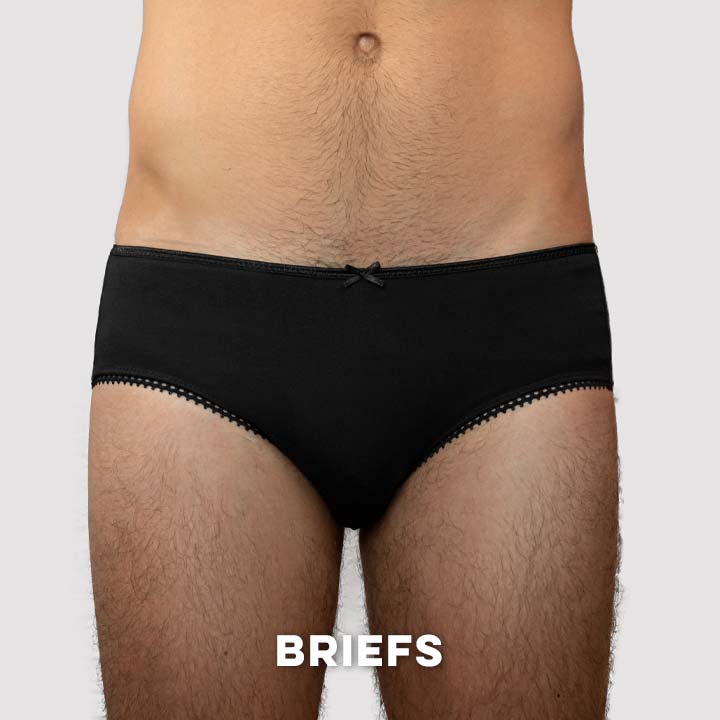

Binding Safety
A Guide to Safe and Comfortable Chest Compression
Let's chat about binding – a process that many transmasc and non-binary folks do to feel more at home in their bodies (which we’re all about). While binding can be a total game-changer for confidence and happiness, safety is the name of the game. That's why we're diving into the basics of binding: what it is, why people do it, and most importantly, how to do it safely. We'll also tackle some common questions, like what the deal is with hook and eye binders (spoiler: they're not as scary as some folks make them out to be).
So, grab a cuppa, get comfy, and let's unravel the world of binding together!

What is Binding?
Starting with the basics, binding is a practice that involves compressing breast tissue to achieve a flatter chest appearance. It's often used by transgender men, trans-masculine individuals, non-binary people, and others who desire a less prominent chest. Binding can be achieved through various methods, including specialised binders, bras, layering clothing, or tapes. The primary goal of binding is to create a physical presentation that aligns with an individual's gender identity, providing a sense of comfort, confidence, and gender affirmation.
Why Do People Bind?
People choose to bind for a multitude of reasons, including:
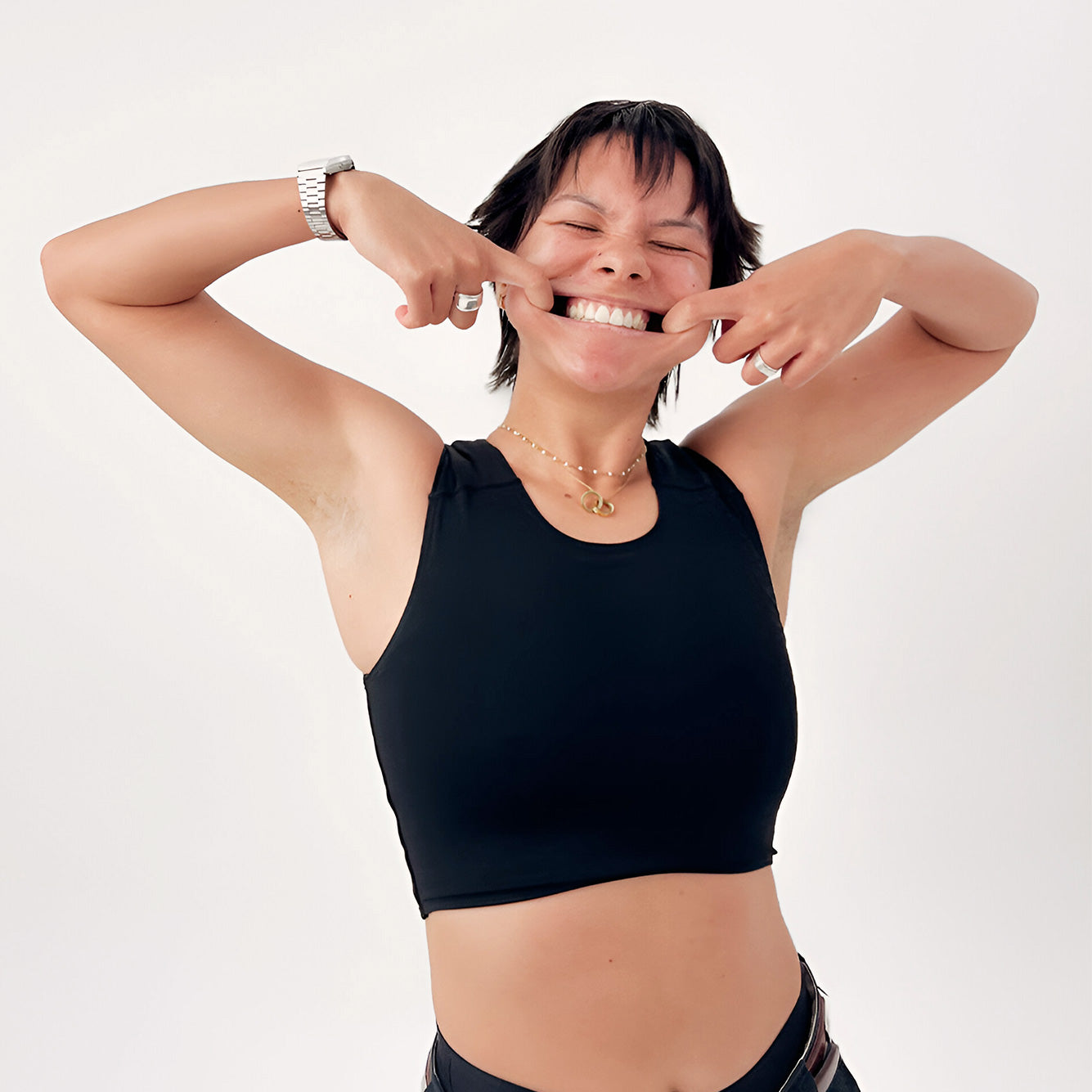
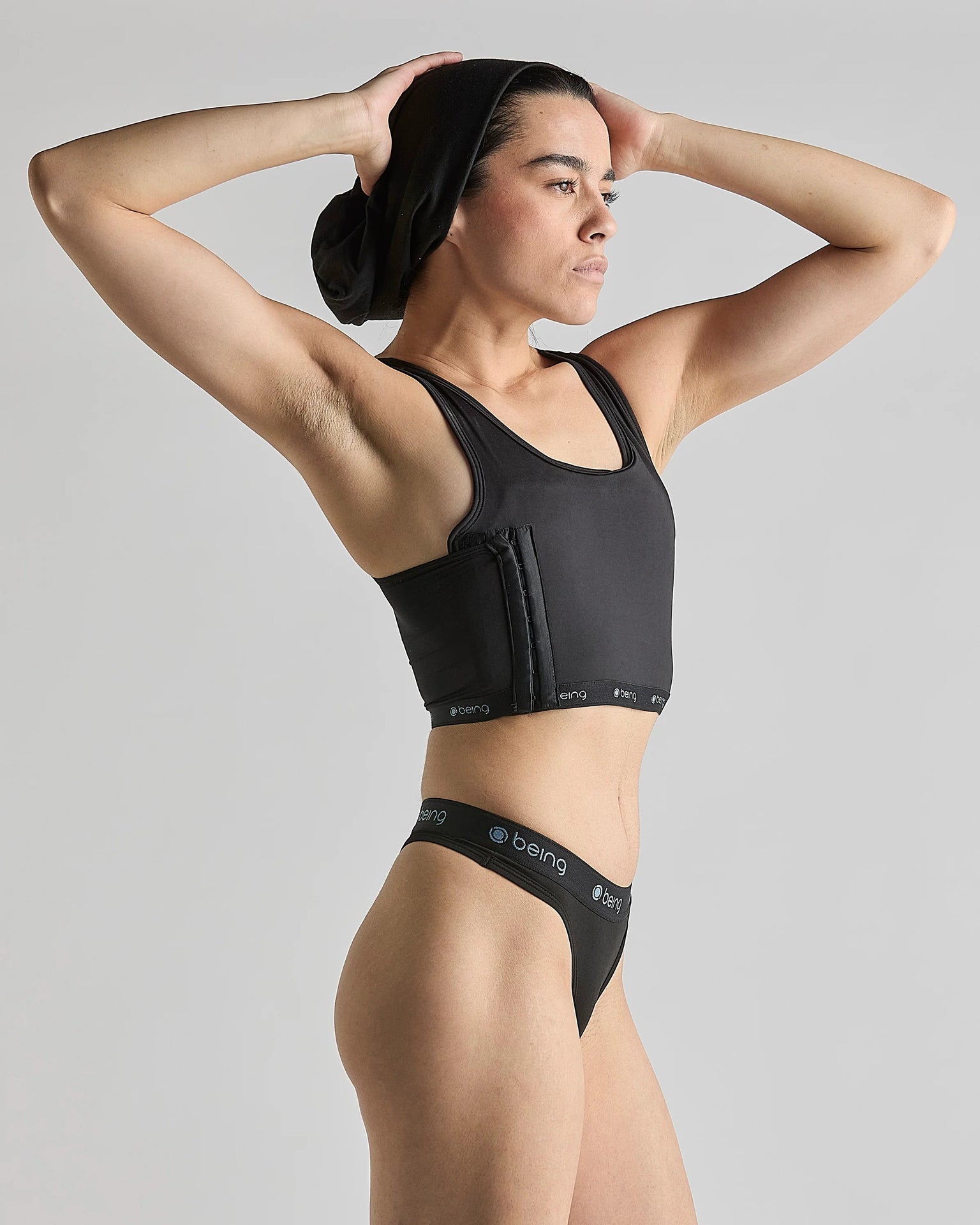
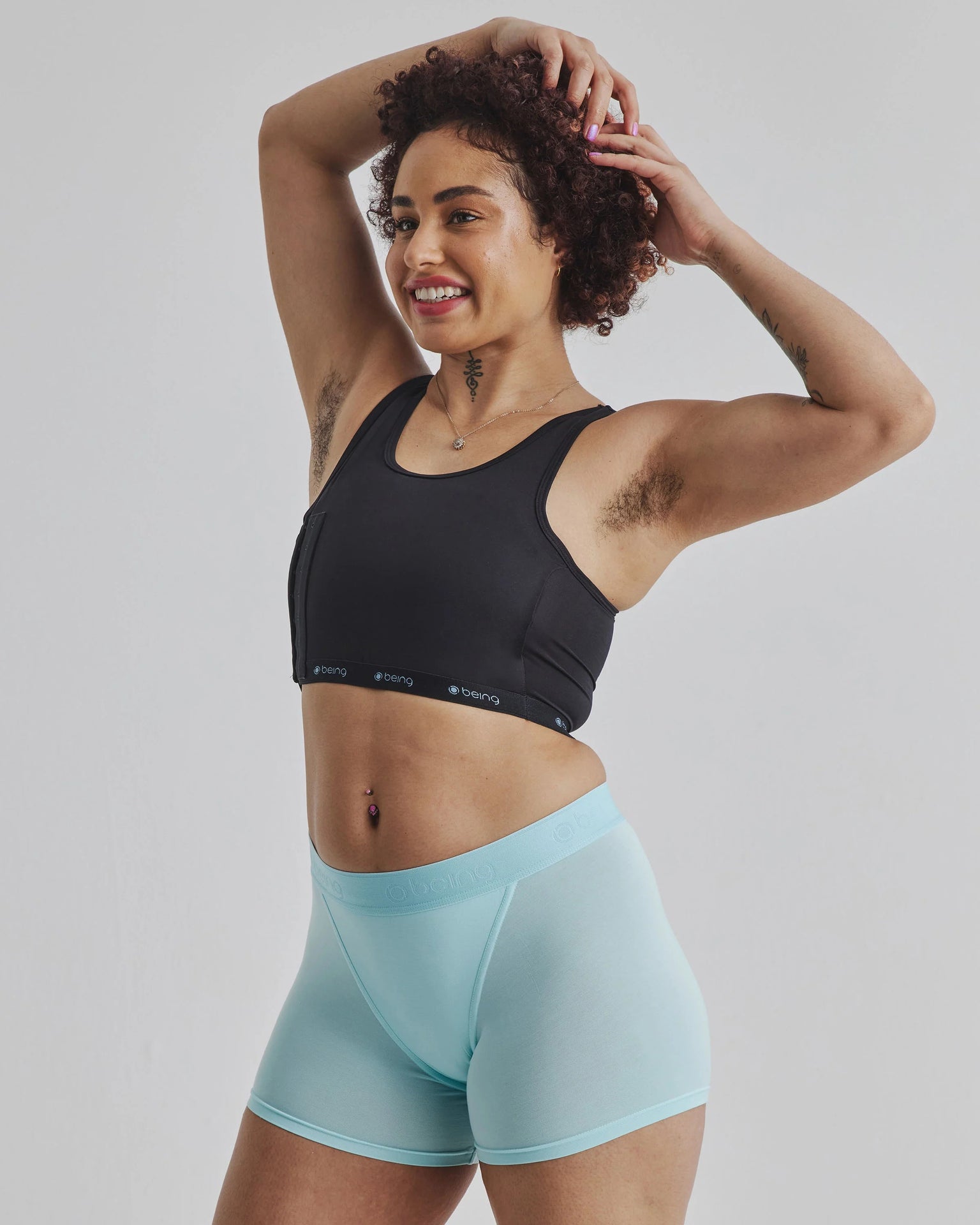
Many transmasculine and nonbinary individuals find that binding helps them feel more aligned with their gender identity and expression, fostering a sense of authenticity and confidence.
Binding can be a form of self-expression, allowing individuals to feel more comfortable and positive about their bodies day to day or while participating in activities such as sports, cosplay and drag. This can also include medical reasons such as obesity or gynecomastia.
Binding can be used after top surgery, a mastectomy or breast reduction to aid in healing, reduce swelling, and provide support to the chest area during recovery.
Speak with your medical practitioner if this is appropriate for you.
87%
of transmasc respondents had used binding
For many transmasculine people, chest binding is considered a necessary rather than elective daily activity due to associated mental and emotional health benefits.
97%
Report negative side effects
While chest binding does carry some physical risks, for many transmasculine and nonbinary individuals, the positive impact on their mental well-being outweighs those risks.
Types of Binders and Binding Methods
When it comes to binding, you've got options! There are several methods available, including commercial binders, bras, and wrapping. Our binders are specifically crafted for chest compression, utilising multiple layers of fabric to achieve a flatter appearance. We're proud to source our binders from trans and queer-owned businesses that prioritise ethical manufacturing. Below are some different types of binding methods:
Commercial Binders
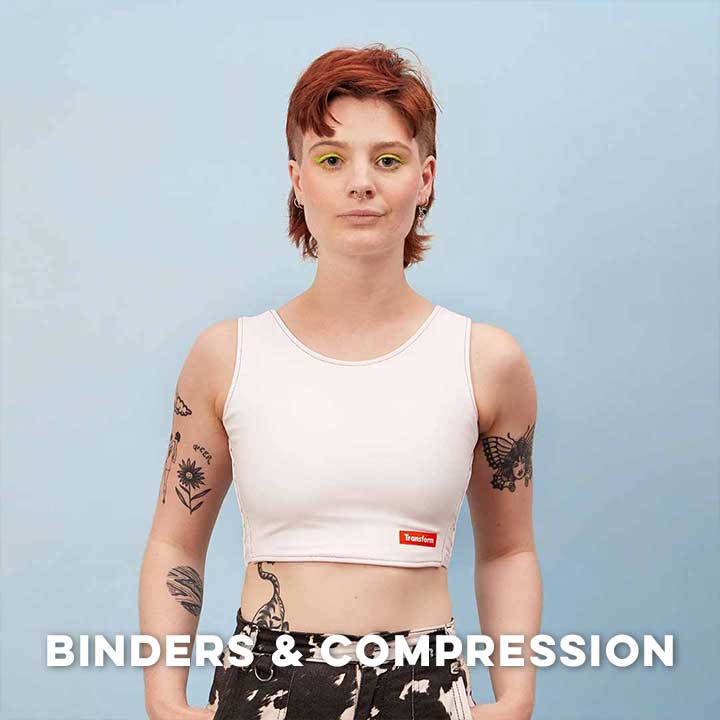
Tank Binders: Full-length binders that cover the entire torso.
Half-Tank Binders: Cover the chest and upper abdomen.
Crop Top Binders: Shortest style, covering only the chest.
Sports Bras
High-impact sports bras can provide some compression, especially for those with smaller chests. Typically worn for sports, these bras are designed to hold the bust firmly and minimise bounce & movement.
Minimiser Bras
While minimizer bras can offer some chest compression, they may not provide adequate flattening or support for those seeking a significant reduction in chest appearance.
Layering Clothing
Wearing multiple layers of tight-fitting clothing can offer some flattening, but this method can be uncomfortable, hot, and less effective than dedicated binders.
Athletic Compression Shirts
Designed for muscle recovery and sports, these shirts can provide a moderate level of compression for individuals with smaller chests.
Wrapping
It's best to avoid using unsafe binding methods such as duct tape, or plastic wrap. Use tape designed for skin, specifically chest binding.
Addressing Controversy & Prioritising Safety
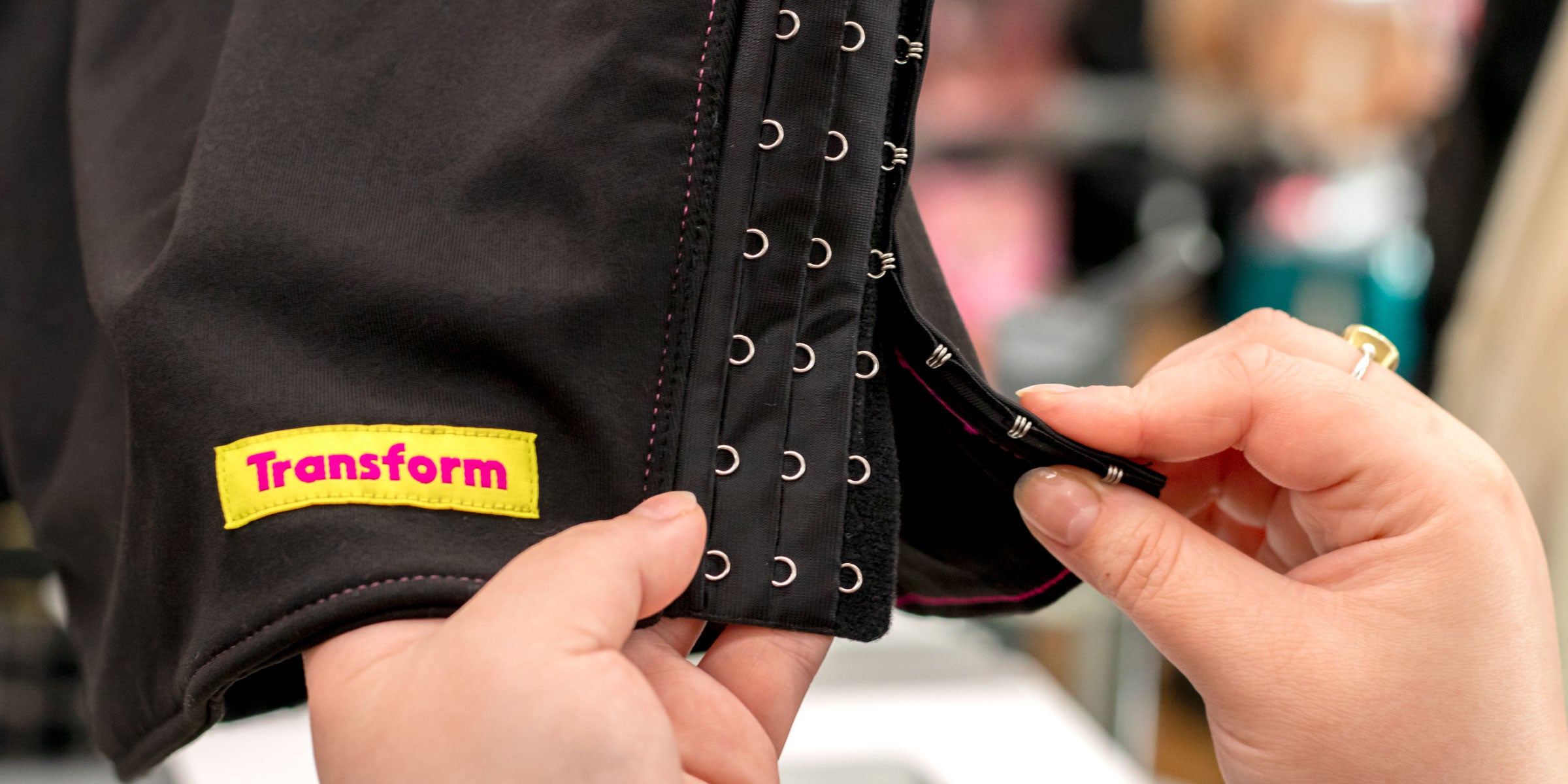
Hook and Eye Binders
Hook and eye binders, while a common and often effective binding method, have sparked controversy due to concerns about their potential safety risks. These concerns primarily arise when the binders are used improperly, such as being overly tightened, uneven adjustment or combined with non-stretch materials. However, it's important to note that when manufactured and used correctly, hook and eye binders can be a safe option, much like the hook and eye closures used in most bras.
Potential Risks & Concerns
Some users have reported experiencing discomfort, excessive compression, and even health issues like breathing difficulties, skin irritation, and rib discomfort when using hook and eye binders. These issues are often linked to improper use, such as overtightening the binder or wearing it for extended periods without breaks. Additionally, individuals with dexterity challenges may find the closures difficult to manage.
Benefits & Safe Usage Guidelines
Despite these concerns, hook and eye binders offer several benefits, particularly their adjustability. The closures allow wearers to fine-tune the fit and loosen the binder throughout the day if needed, enhancing comfort and reducing the risk of over-compression. As with all binders, ensuring you are practising safe binding is key regardless of the fastening method.
Potential Risks & Concerns
Some users have reported experiencing discomfort, excessive compression, and even health issues like breathing difficulties, skin irritation, and rib discomfort when using hook and eye binders. These issues are often linked to improper use, such as overtightening the binder or wearing it for extended periods without breaks. Additionally, individuals with dexterity challenges may find the closures difficult to manage.
Benefits & Safe Usage Guidelines
Despite these concerns, hook and eye binders offer several benefits, particularly their adjustability. The closures allow wearers to fine-tune the fit and loosen the binder throughout the day if needed, enhancing comfort and reducing the risk of over-compression. As with all binders, ensuring you are practising safe binding is key regardless of the fastening method.
Safe Usage:



Safety Tips for Binding
Prioritising safety is paramount when it comes to binding. Here are essential tips for a safe and comfortable experience:
Important Note: If you have any underlying health conditions, such as asthma, scoliosis, or fibromyalgia, consult with your doctor before binding.
Never wear a binder for more than 8 hours a day. Start with shorter durations if you're new to binding, gradually increasing as your body adjusts. Take breaks throughout the day to remove or loosen your binder, allowing your chest and ribs to expand. Taking a break from binding one day a week is also recommended.
Binding during sleep can restrict breathing and circulation. During exercise, your body needs unrestricted movement and increased oxygen intake.
Ensure your binder fits properly and is made from breathable materials. A binder that's too tight can restrict breathing and circulation, while one that's too loose won't provide adequate compression. We suggest a binder fitting in Melbourne to find a size that works best for you.
It's important to wash your binder regularly to prevent skin irritation and infections. Having two binders is a good way to have one on the go while the other is in the wash!
When it comes to choosing a binder, it's crucial to prioritize quality and safety. That's why we highly recommend opting for reputable brands. These brands are not only committed to creating comfortable and effective binders, but they also prioritize ethical manufacturing practices and use high-quality materials. By choosing a trusted brand, you can be confident that your binder is designed with your well-being in mind, providing a safe and enjoyable binding experience.
Lastly, and most importantly, listen to your body! If you experience any pain, discomfort, shortness of breath, or skin irritation, remove your binder immediately. Binding should never be painful.
Balancing Mental Health Benefits and Risk Factors
For many individuals, the mental health benefits of binding, such as reduced gender dysphoria and improved body image, are significant and can greatly enhance their quality of life. However, it's crucial to weigh these benefits against the potential risks associated with improper or excessive binding.
By following safety guidelines, having a binder fitting, and listening to your body, you can minimise risks and maximise the positive impact of binding on your well-being.
Remember: If you have any concerns about binding, don't hesitate to seek guidance from a healthcare professional.
Final Thoughts & Take Aways
Binding can be a powerful tool for self-expression, gender affirmation, and overall well-being. By prioritizing safety, understanding the different options available, and seeking professional guidance when needed, you can embrace binding as a positive and empowering aspect of your journey.
Sources & Further Reading
(1) Health impact of chest binding among transgender adults: a community-engaged, crosssectional study
(2) Transform Transwear - Tips For A Safe Bind
(3) What is binding, and how can I do it safely?
(4) Transhub - Binding
If you have any feedback, we invite you to let us know!