

Written with Tracey C - Bra Fitting Specialist at Illusions Lingerie
Choosing your first bra can feel confusing, especially if you've never worn one before and suddenly find yourself trying to understand band sizes, cup sizes, padding, underwires, breast forms and about a hundred different bra styles.
Whether you're newly transitioning, exploring your gender expression, developing breast tissue, buying your first bra, helping a gender-diverse child, or simply looking to upgrade what you already wear, this guide is here to make things a little easier.
We'll cover:
- What type of bra you might need
- How bra sizing works
- How to measure for a bra
- Padding and shaping
- Underwire vs wirefree bras
- Breast forms and inserts
- Some of our favourite beginner bras for trans women
Thankfully, between trans-focused brands, online resources and knowledgeable bra fitters, finding a bra doesn't have to be quite as intimidating as it first seems. Before we jump into measuring, sizing and recommendations, meet the person helping us put this guide together.
Meet Tracey C (She/Her) - Bra Fitting Expert
With over 40 years of bra-fitting experience and more than 100,000 people fitted (!!!), Tracey from Illusions Lingerie knows a thing or two about bras. She's passionate about taking the discomfort and confusion out of bra shopping and helping every person find something that feels comfortable, looks great and makes them feel confident. Tracey has been providing friendly, judgement-free fittings for people of all walks of life since 1983, which means she's pretty much seen it all when it comes to bras, bodies and finding the right fit for each individual.
What Bra Should a Trans Woman Wear?
There isn't one specific type of bra that every trans woman should wear.
The right bra comes down to your body, comfort, personal style and what you actually want the bra to do. Some people want something soft and comfortable that creates a little shape. Others want a bra that can securely hold breast forms. Some want support for developing breast tissue, while others simply want a bra that makes them feel good.
Trans women can absolutely wear conventional lingerie - you don't need a bra specifically labelled as a "trans bra". That said, some bras designed with trans and gender-diverse customers in mind can make the process easier thanks to simpler sizing, wider bands, flexible fabrics or designs intended to work with flatter chests and breast inserts.
We have more than 10,000 bras in our Melbourne store, which goes to show just how much variation there is in bras. Shape, cup depth, band firmness, support, fabric and construction can all change how a bra fits.

Choosing Your First Bra as a Trans Woman
There are a few go-to styles that Tracey regularly finds work well when fitting trans women, which is also why we've selected particular bras for Tuck & Bind.
Before choosing one, ask yourself a few questions.
Have You Worn a Bra Before?
If you've never worn a bra before, starting with something soft and wirefree can make the whole experience much easier.
Underwires can feel strange at first, particularly if you're not used to having a firm band sitting around your ribcage. A soft wirefree bra or bralette gives you a chance to get used to wearing a bra without too much structure.
Do You Want to Wear Breast Forms?
If you want a fuller bust, breast forms can create significantly more volume than regular bra padding or inserts.
This does change what you'll need from your bra. Silicone breast forms can have a reasonable amount of weight to them, so the bra needs enough structure to hold them securely against your chest.
Our breast forms range from smaller, subtle options through to much fuller sizes, so the best bra will depend on the size and weight of the forms you're wearing. For larger or heavier breast forms, a supportive underwire bra or a purpose-made pocketed bra is often the best option. Smaller forms and inserts may also work in supportive wirefree styles.
Whatever you choose, the band needs to be firm enough to keep everything in place. No one wants a breast form escaping from underneath their bra halfway through the day!
Are You Currently on or Starting HRT?
If you're starting or currently using hormone replacement therapy (HRT), your breast size and shape may change over time. Rather than buying a bra that's deliberately too large, we'd generally recommend choosing something that fits comfortably now but has a little flexibility.
Do You Want Something for Exercise?
If you're planning to exercise, a sports bra is generally a better choice than an everyday bra. Sports bras provide more coverage, help reduce movement and are often made from breathable or moisture-wicking materials.
Do You Want a Traditional Bra Experience?
This is where bra shopping becomes slightly more complicated.
Traditional bras are normally sized using a band and cup combination such as 10C, 12D or 16E rather than the simpler Small, Medium and Large system.
The upside is that band and cup sizing allows you to get a much more specific fit and opens up a huge range of bra styles. It also gives you access to more structured bras that can work particularly well with breast forms.
The tricky part is working out what size to start with.
Do You Prefer Underwire or Wirefree?
Neither option is automatically better.
Wirefree bras are generally softer, more flexible and easier to get used to. Underwire bras offer more structure, separation and support, which can be particularly useful when wearing larger breast forms.
Think about whether you're looking for soft everyday comfort or a more structured and defined bust shape.

How Do Bra Sizes Work for Trans Women?
You'll generally come across two main approaches to bra sizing. One is pretty straightforward. The other takes a little more explaining.
S, M, L and XL Bra Sizing
This is usually the simplest and least intimidating way to buy your first bra.
Instead of calculating a band and cup size, you select Small, Medium, Large, XL and so on based on a brand's size chart.
One important thing to remember is that this sizing isn't standardised. A Medium from one brand won't necessarily fit the same as a Medium from another, so always check the size guide rather than relying entirely on your usual T-shirt size.
Traditional Band and Cup Sizing
Traditional bra sizing is what you'll usually see in lingerie stores. Sizes look something like 10C, 12D, 14DD or 16E.
The number refers to the band size, which relates to the measurement around your ribcage underneath the bust.
The letter refers to the cup size and relates to the difference between your underbust and the fullest part of your bust.
You'll often see simplified bra-sizing guides explain cup sizes using the difference between these measurements, but real-world bra fitting is a little more complicated than applying one formula.
Your ribcage shape, breast shape, cup depth, breast root, the stretch of the band and even the individual bra can all affect what fits best.
Don't be surprised if you aren't exactly one bra size. You might wear one size in one bra and a slightly different size in another. Different brands, styles, cup shapes, fabrics and even colours can fit differently.
This is why online bra calculators are best treated as a starting point rather than a guaranteed size.
How Do I Measure for a Bra?
Two useful measurements to start with are:
- Underbust: Measure firmly around your ribcage directly underneath the bust.
- Overbust: Measure around the fullest part of your chest or bust while keeping the tape level.
Try to keep the measuring tape snug without pulling it excessively tight, and make sure it runs horizontally around your body rather than sloping down at the back.
For people assigned male at birth, standard bra calculators can sometimes be less predictable because torso shape, chest width and breast distribution may differ from the assumptions used by many traditional calculators.
That's why we're currently developing an AMAB Bra Calculator (coming soon) designed to estimate bra sizing both with and without breast forms.
We're using underbust measurements, overbust measurements, breast form sizing, feedback from our fitting team and measurements collected from multiple volunteers in-store to help hone in the results.
Your usual clothing size won't necessarily tell you what bra size you need. A calculator is a great starting point, but trying on different bras is still the best way to find the right fit.

What If I Don't Have Much Breast Tissue?
You absolutely don't need a certain amount of breast tissue to wear a bra.
If you have a flatter chest, wirefree bras, bralettes and lightly padded bras are usually some of the easiest places to start because the cups can sit more naturally against the body without requiring lots of breast tissue to fill them.
Lightly padded bras such as the Rubies Shine Ava and Brooke can also add a subtle amount of shape and help create a smoother silhouette underneath clothing.
If you'd like more volume, you can add:
- Light foam padding
- Small breast inserts
- Bra Buds
- Silicone breast forms
You can choose as little or as much shaping as feels right for you.

Wearing Breast Forms With a Bra
Choosing breast forms can feel like a whole separate world of sizing before you've even started thinking about the bra that goes over them.
We've created a separate guide to choosing breast forms if you'd like a deeper explanation, but the main options generally move from subtle shaping through to a much fuller bust.
- Foam padding: subtle shaping and smoothing
- Breast inserts: a small boost in volume
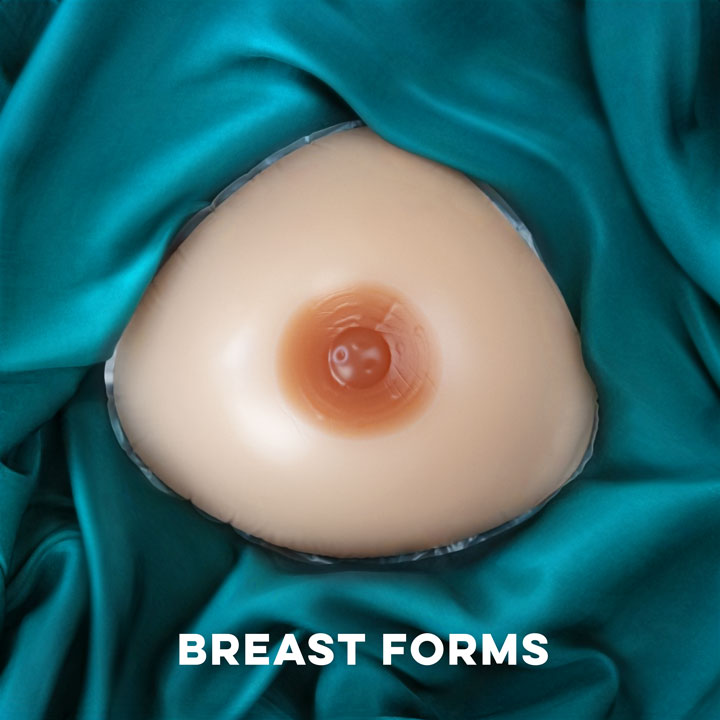
- Silicone breast forms: a more realistic and noticeable bust shape
- Breast plates: a fuller, more dramatic bust often used for crossdressing, performance and drag
Once you start wearing larger breast forms, bra support becomes particularly important.
The band should sit firmly around your body without riding up, while the cups should comfortably contain the forms without excessive gaping or spilling. Pocketed bras are especially useful because the form sits inside the bra rather than directly against the skin.
This is also one of the situations where an in-store fitting can be incredibly helpful. You can bring your breast forms with you and try different bra sizes and styles to see what actually works.
Wireless vs Underwire: Which Is Better?
There's no universal winner here. The best option depends on what you're wearing the bra for.
Wireless Bras
- Softer and more flexible
- Great for first-time bra wearers
- Comfortable for everyday wear
- Often work well on flatter chests
- Great with light padding and smaller inserts
Underwire Bras
- Provide more structure and support
- Create a more defined bust shape
- Can offer more lift and separation
- Often work well with heavier breast forms
- Available in a much larger range of traditional lingerie styles
If you're completely new to bras and aren't wearing large breast forms, starting wirefree is often the easiest option. If you're wearing breast forms or want a more structured silhouette, an underwire may be more suitable.

5 Beginner-Friendly Bras for Trans Women
1. Rubies Shine Brooke - The First Bra Designed for Trans Women
This bra is the first bra designed specifically for trans girls and non-binary tweens and teens and trans women. Its flexible fit makes it particularly suitable for flatter chests or people with little breast tissue.
2. Rubies Shine Ava - Perfect for Sensory Friendly Shaping
If you'd like a sensory friendly, seamless look, the Ava is a good option. The removable padding helps create a fuller and more rounded appearance without needing to jump straight into silicone breast forms.
3. Rubies Shine Evey Sports Bra - A Sports Bra for Trans Women
The Evey Sports Bra is designed for active wear and provides more coverage and security while exercising. It's particularly useful if you want a sports bra designed with trans women and trans teens in mind rather than trying to adapt a conventional sports bra.
4. LingaDore Daily Lace - A Traditional Bra Experience
If you're ready for a traditional bra and want to wear breast forms, the LingaDore Daily Lace gives you the extra structure of an underwire and traditional band-and-cup sizing. The added support can help keep silicone forms securely positioned while creating a more defined bust shape.
5. Amoena Mara - Best for Securing Breast Forms
The Amoena Mara is a pocketed bra, meaning breast forms can sit inside built-in pockets within the cups. This makes it particularly useful if security is your main concern or you don't want silicone forms sitting directly against your skin.
Tips for Wearing Your First Bra
Your first bra might feel strange. That's completely normal. Even a properly fitting bra can take a little getting used to if you've never worn one before.
- Start at home - Wear your bra for shorter periods while you get used to how it feels.
- Adjust the straps - They should stay in place without digging into your shoulders.
- Check the band - The band should sit level around your body rather than riding up at the back.
- Look for digging or gaping - Both can be signs that the size or cup shape isn't quite right.
- Don't assume tighter means more support - A band should feel firm and secure, not painfully tight.
- Try different styles - One bra not fitting doesn't mean bras aren't for you or it's the wrong size. Another cup shape or style may fit completely differently.

Do I Need a Professional Bra Fitting?
You don't need a professional bra fitting to buy a bra, but it can make finding the right one much easier, particularly if traditional sizing is completely new to you or you're planning to wear breast forms.
A bra fitter can help you:
- Find a comfortable size
- Work out which cup shape suits your body
- Identify signs that a bra is too big or too small
- Compare wirefree and underwire options
- Find bras suitable for breast forms
- Try different sizes without having to guess online
Most importantly, a fitting should be about finding what makes you comfortable rather than forcing you into one particular size, shape or style.
If you're in Melbourne, you can visit us in Moonee Ponds for a friendly, judgement-free bra fitting. You're also welcome to bring your breast forms or inserts along so we can fit the bra around how you actually plan to wear it.

